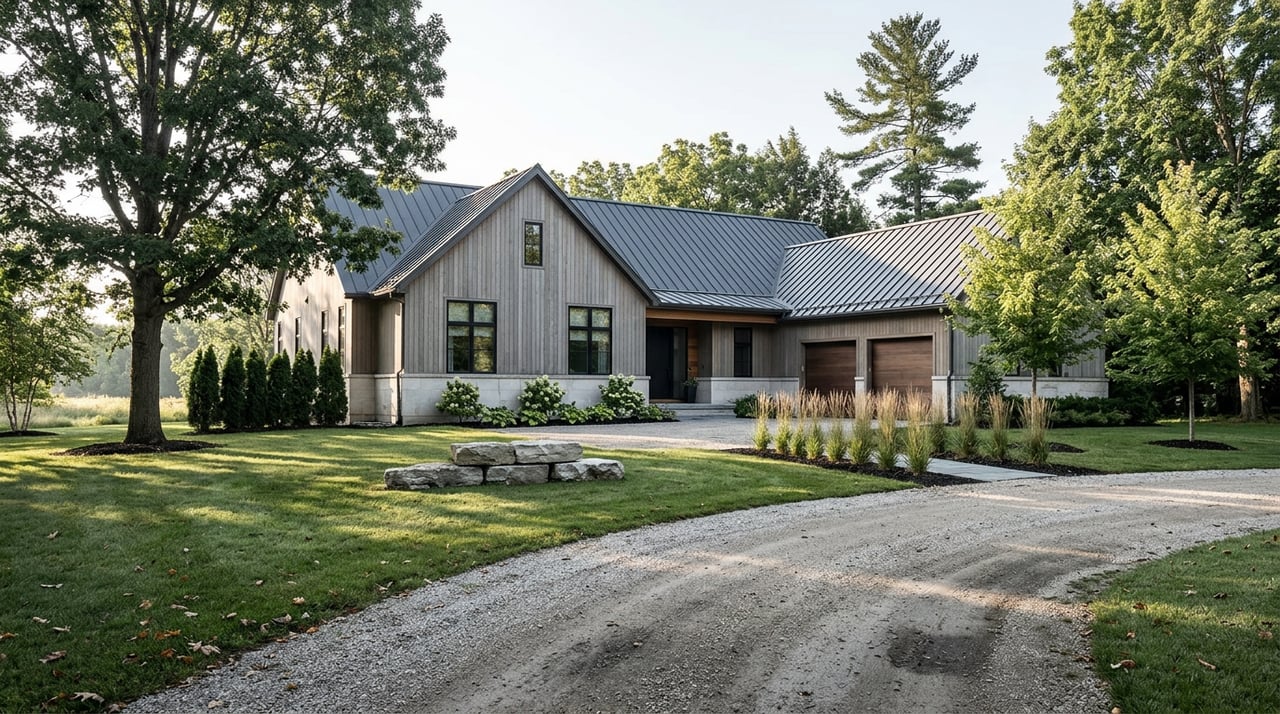
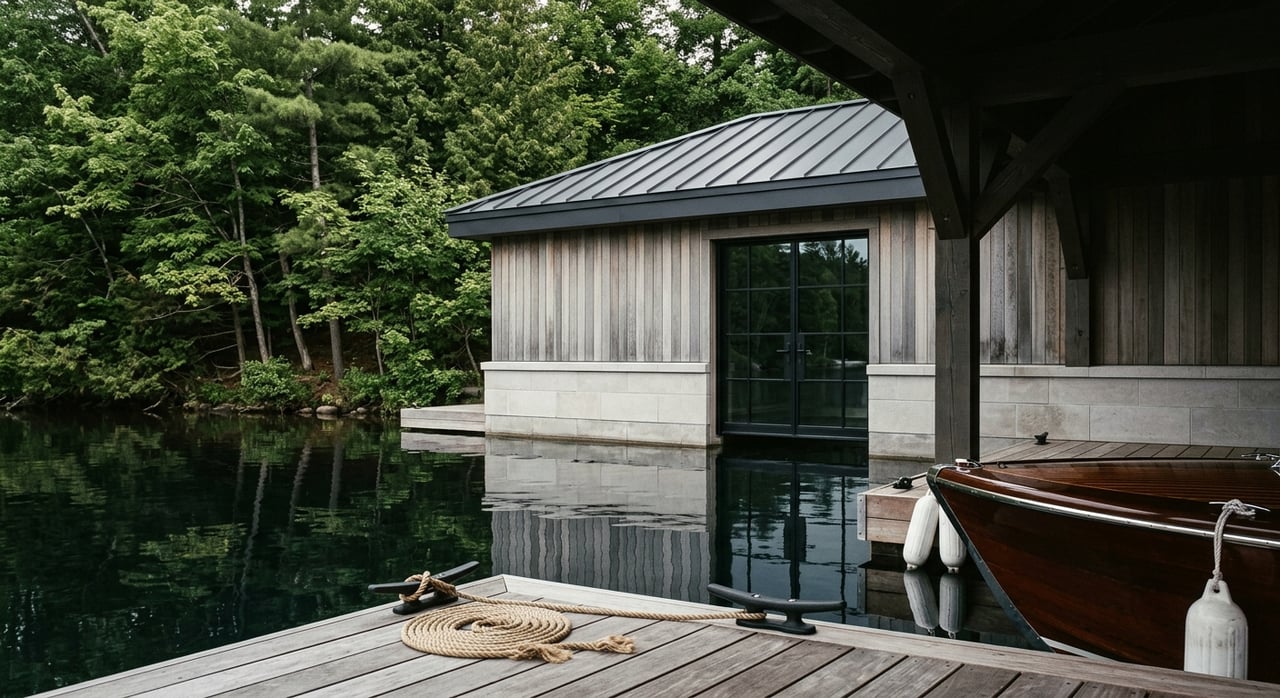
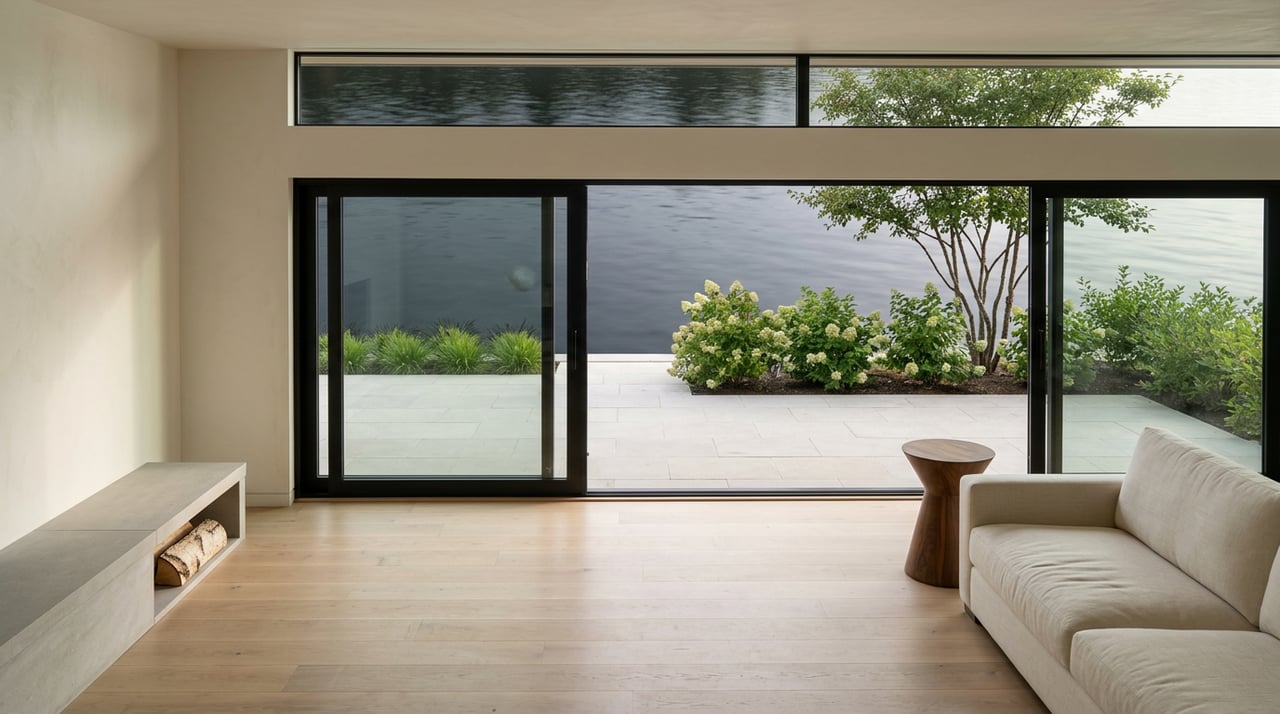
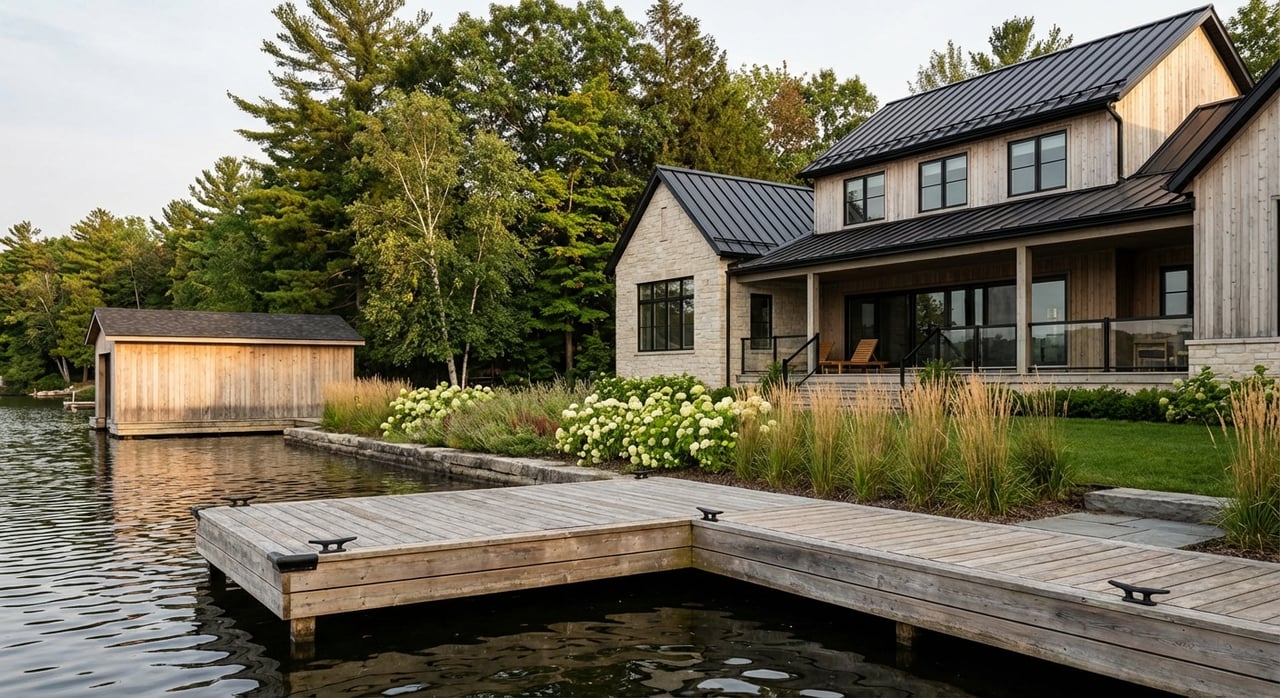
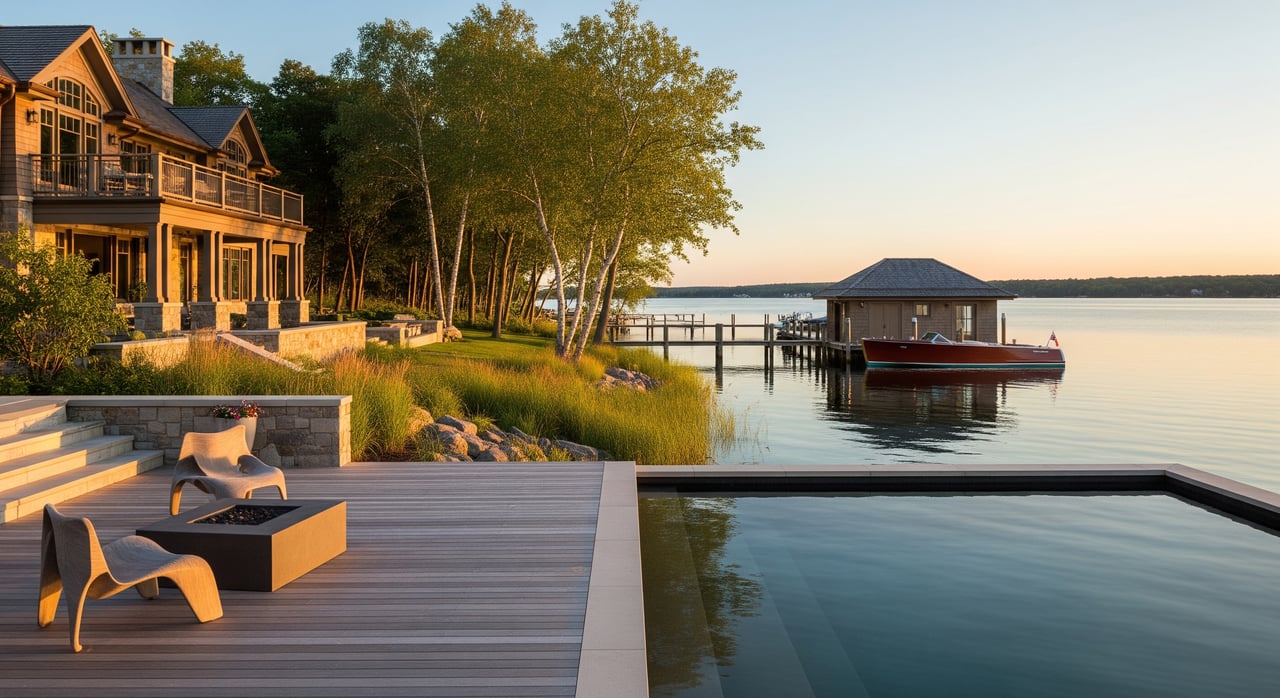
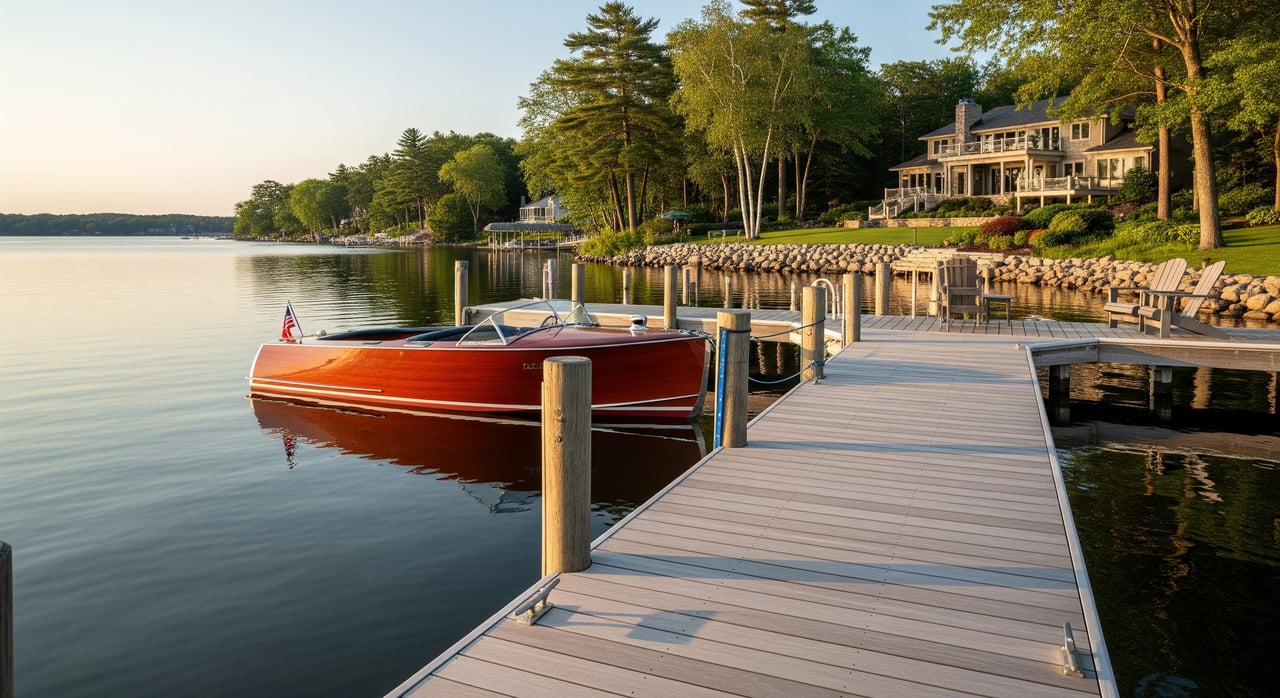
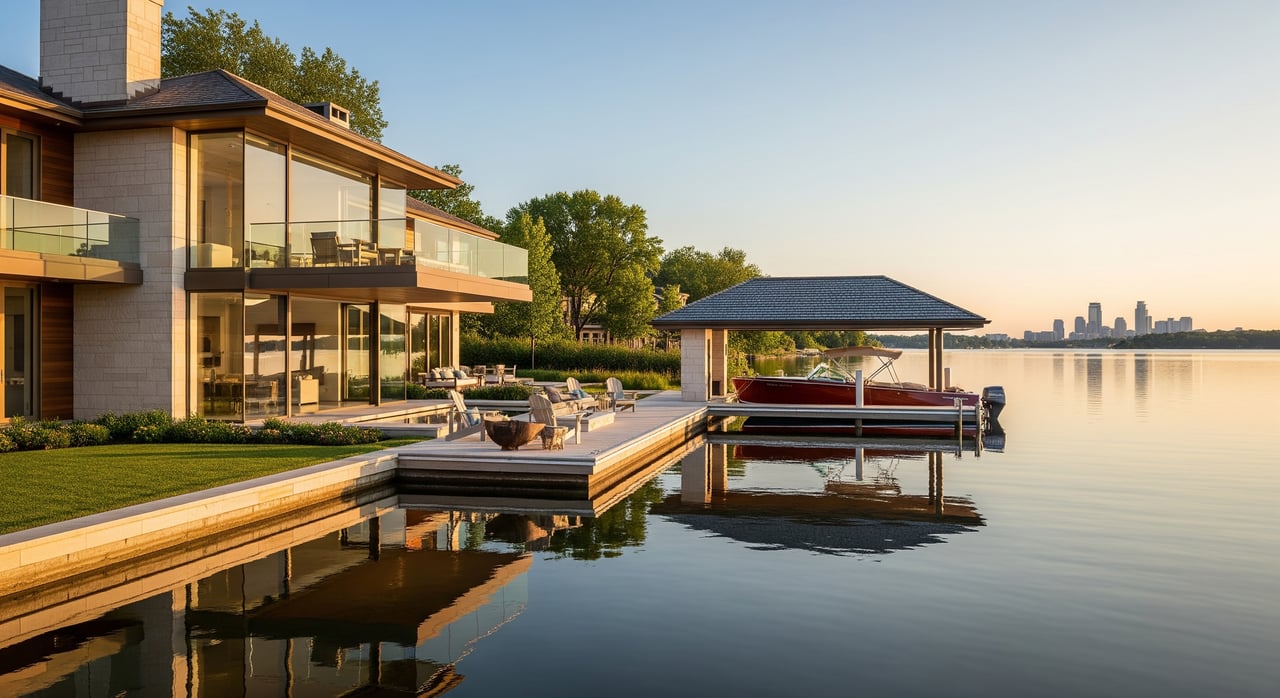
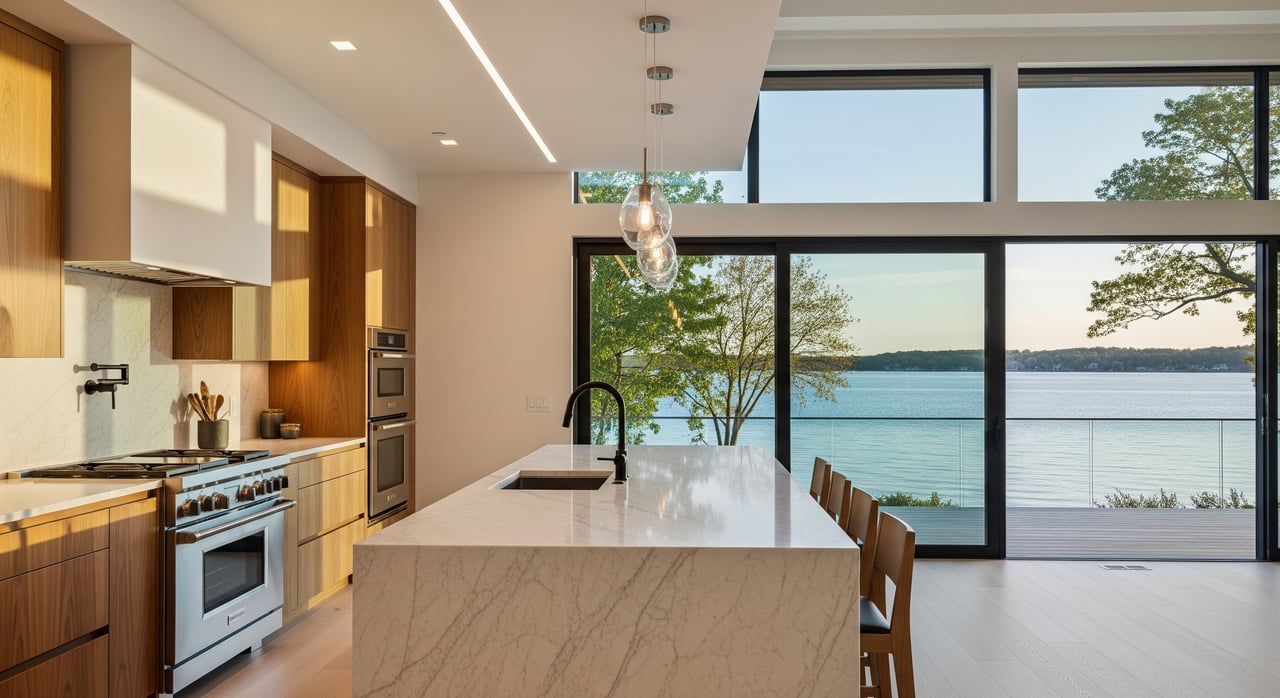
Space, privacy, and water access rarely come in the same package. In Orono, they can, but the details decide value. If you are weighing true lakefront against a large near-lake or acreage property, you want clear, local guidance. This guide breaks down price ranges, lot types, the rules that control what you can build, and the steps that protect your investment. Let’s dive in.
Orono market snapshot
Orono is a high-value market where luxury and lifestyle lead. Typical home value sits around $1.08M as of early 2026, and recent 12‑month medians have often cleared $1M. Inventory is thin and varied, which means a handful of one-off sales can move averages quickly. True lakefront and acreage listings show the widest spread, from under $1M for modest frontage or older cottages to several million for estate sites.
Recent examples show the range. A roughly 3.1‑acre Mooney Lake estate traded near $4.05M. Along Lake Minnetonka’s Orono shoreline, sales and listings have spanned from the low seven figures for standard frontage into the upper two and low three millions for larger lots with 140 feet or more of shoreline. Unimproved shoreline and near-lake land can still command strong prices when the site allows a premium build.
What counts as lakefront vs near‑lake vs acreage
Understanding how property is classified helps you compare apples to apples.
- True lakefront (riparian). The parcel has direct, legal frontage measured from the Ordinary High Water Level. Riparian status typically carries docking and water‑oriented use rights and is treated specifically under Minnesota shoreland rules. See the Minnesota DNR overview of shoreland classifications and owner guidance for foundational terms and standards. Minnesota DNR shoreland overview
- Near‑lake or shoreland overlay. Many Orono homes sit within the city’s shoreland overlay, even without direct frontage. These parcels can enjoy views or access rights but follow shoreland design standards. Review the city’s official map to confirm if a property falls inside the overlay. Orono Shoreland Overlay map
- Acreage or estate parcels. Orono’s rural zoning supports larger sites, often 2 acres or more. Some have water views or access, while many prioritize privacy, woods, or equestrian-style space. Local standards for minimum lot size, width, and utilities heavily influence what is possible.
Price ranges and real-world examples
Pricing overlaps across categories, but a few patterns hold.
- True lakefront. Expect a broad range, roughly about $1.0M to $4M or more. The lower end includes older cottages or limited frontage. Renovated homes on standard frontage often land in the mid to upper millions. Large frontage or combined acreage can reach several million.
- Near‑lake inside shoreland overlay. Large non‑riparian homes often cluster near or just below Orono’s citywide median, which is still high by regional standards. Size, condition, and outdoor amenities drive outcomes.
- Acreage. Two acres and up without direct shoreline can span from under $1M for raw land or older homes to several million for new or recent estate builds. Acreage paired with water views or documented access tends to climb.
Bold but simple truth: frontage rules the day. Linear feet of shoreline, bay quality, sun exposure, and buildability are the key levers that push a property up or down within these ranges.
Rules that shape value and buildability
Minnesota’s statewide shoreland standards set the floor, and Orono often adds more specific or protective rules. Together they define where you can build, how much you can cover, and whether a site can be subdivided.
- Shoreland basics. Minnesota rules define the shoreland area, setbacks, bluff protection, and lot standards by lake class. They often translate to a 25 percent impervious coverage cap in shoreland districts, limits on water‑oriented accessory structures, and clear setback and SIZ rules. State shoreland rules, Minn. R. 6120 and shoreland model standards
- Orono setbacks and overlay. Orono’s Shoreland Overlay applies lake‑specific setbacks. Many Lake Minnetonka segments use a 75‑foot lake setback. Smaller, more sensitive lakes classified as Natural Environment commonly require a 150‑foot setback. Always verify a parcel’s overlay status and lake classification with the city. Orono Shoreland Overlay map
- Average lakeshore setback and bluffs. Orono uses an average lakeshore setback method and enforces bluff protections that can shift a home’s allowed building line. Houses, additions, pools, and driveways often need creative site planning to stay outside the Shore Impact Zone and bluff impact zone. DNR bluff standards and Orono variance discussions
- Hard‑cover caps. Many shoreland tiers cap impervious surfaces around 25 percent. Adding patios, sport courts, long driveways, or larger footprints can trigger tradeoffs, stormwater controls, or a variance request. Impervious coverage guidance
- Sewer and the MUSA. Whether a site is inside the Metropolitan Urban Service Area affects permitted density and minimum lot standards. Orono’s rural zones outside sewer service commonly require new lots at 2.0 acres with a width around 200 feet measured at the lake setback line. These thresholds regularly come up in Planning Commission reviews. Orono Planning Commission discussions
- Watershed permits. Most of Orono sits inside Minnehaha Creek Watershed District, which reviews many shoreline projects and substantial land disturbance. The city’s Surface Water Management program works hand in hand with MCWD, so check both for permit history and future requirements. Orono Surface Water Management and Minnehaha Creek Watershed District
Bottom line: setbacks, bluffs, and hard‑cover limits shrink buildable area and raise the bar for design. That directly influences a parcel’s value and its future potential.
Due diligence for buyers
Before you bid, confirm the facts that decide lifestyle and long‑term value.
- Order a survey. Ask for a current ALTA survey showing the Ordinary High Water Level, measured frontage, easements, and any shared access. The OHWL influences setbacks and docking rights. DNR shoreland guidance for owners
- Verify the overlay and setbacks. Call Orono to confirm the shoreland classification, the required lake setback for that water body, the local hard‑cover cap, and any existing variances. Orono Shoreland Overlay map
- Check sewer status. Confirm whether the parcel is inside the MUSA and eligible for sanitary sewer. Outside MUSA, plan for larger minimum lots and septic constraints. Orono Planning Commission discussions
- Delineate wetlands and bluffs. If wetlands are suspected, order a delineation. Confirm bluff lines and the Bluff Impact Zone, which can restrict placement and size. DNR bluff standards
- Confirm watershed permits. Review Minnehaha Creek Watershed District requirements and permit history for any prior shoreline work. Minnehaha Creek Watershed District
- Understand dock rights. Verify what kind of dock or mooring is permitted and whether any approvals are transferable. DNR shoreland guidance for owners
- Plan for septic or connection costs. On unsewered sites, obtain soil borings, a septic design feasibility review, and realistic replacement or connection budgets. State shoreland rules, Minn. R. 6120
Prep moves for sellers
A little homework reduces buyer risk and positions your home for a premium.
- Gather permits and approvals. Dock permits, shoreline stabilization, variances, and prior surveys should be easy to share with buyers. Orono variance discussions
- Show the buildable envelope. A pre‑listing survey and topo with setbacks, Shore Impact Zone, and bluff areas outlined can calm concerns and shorten negotiations. DNR bluff standards
- Highlight shoreline stewardship. Well‑kept native buffers are attractive and align with watershed best practices. Point buyers to local resources. Minnehaha Creek Watershed District
- Provide smart comps. Anchor value in frontage length, bay location, and site constraints, not just interior finish. Thin inventory makes carefully selected lake comps essential.
- Consider funded improvements. Strategic updates, staging, and site grooming can lift presentation. With the right plan, you can leverage Compass Concierge and VAS to execute high‑impact prep with white‑glove support.
Acreage insights
Large Orono parcels offer privacy and flexibility, but zoning and utilities guide what is possible. Outside the sewer service area, new rural lots commonly require 2.0 acres and a width near 200 feet at the lake setback line, which curbs subdivision potential. Accessory buildings, long driveways, and outdoor amenities must stay within hard‑cover caps and outside protected zones. Orono Planning Commission discussions and impervious coverage guidance
If a property is unsewered, budget for septic upgrades over time. If it is sewer‑eligible, confirm timing, costs, and any density requirements that could affect future plans. As with lakefront, bluffs, wetlands, and watershed review can shape driveway alignments, pool placement, and outbuilding locations.
Compare apples to apples
When two homes look similar online, use these site‑specific factors to price with confidence:
- Linear shoreline footage and bay orientation
- Buildable envelope after applying the lake setback, average setback, SIZ, and bluff protections
- Existing impervious percentage and room to add outdoor living or a pool
- Elevation changes, bluff presence, and shoreline stabilization type
- Documented dock rights and permit history
- Sewer status and potential septic upgrades
A careful read of these items explains why some near‑lake homes sell close to standard lakefront prices and why others do not.
Work with a local guide
Lake Minnetonka micro‑markets are nuanced. You deserve a calm, data‑forward partner who can source the right on‑ and off‑market options, validate site constraints, and stage your home for a premium result. With concierge‑level management, data‑informed pricing, and access to Compass programs, you can move with clarity and confidence.
If you are planning a sale or searching for the right shoreline or acreage fit, reach out to Molly Cardinal. Request a Home Valuation and get a tailored plan for your next move.
FAQs
What drives price for Orono lakefront homes?
- Frontage length, bay quality, view, and buildability lead the way. Smaller or older cottages can trade near $800k to $1M, while large‑frontage estates can reach several million. Dock rights and site constraints round out the premium.
Can I subdivide a large Orono shoreline lot?
- Often not without meeting state lot dimensions and Orono’s local standards, plus utility and setback requirements. Common rural thresholds include 2.0 acres and about 200 feet of width at the lake setback line. Verify rules before you model a split. State shoreland rules and Orono Planning Commission context
Are docks and boathouses easy to add or expand in Orono?
- No. DNR and city rules govern size, placement, and mooring, and watershed review can apply to shoreline work. Confirm entitlements and permits early. DNR shoreland guidance
How do bluffs and hard‑cover limits affect remodel plans?
- Bluffs can shrink the buildable area and add stabilization costs, and shoreland tiers often cap impervious surfaces near 25 percent. Many additions require tradeoffs or mitigation. Bluff standards and impervious coverage guidance
Do taxes and carry costs differ on lakefront estates?
- Yes. High‑value shoreline properties often carry materially higher annual taxes and upkeep. Budget for insurance, shoreline maintenance, and potential watershed or city permit costs when planning improvements.
What is the Shore Impact Zone in Minnesota?
- It is the area closest to the water where vegetation and structure limits are stricter, generally half the building setback distance from the OHWL. It is designed to protect water quality and shoreline stability. State shoreland rules