Dreaming of stepping onto your boat after dinner and cruising St. Louis Bay, but unsure how realistic that is your first season in Deephaven? You are not alone. Between waitlists, permits and a patchwork of rules, lake access on Lake Minnetonka can feel confusing. This guide breaks down your real options, typical timelines and a step-by-step plan to secure access with confidence. Let’s dive in.
Lake access options in Deephaven
HOA or association docks
Association slips are common for condos and some neighborhoods. The association manages assignment, fees and rules in its governing documents. You will often see waitlists, seniority preferences or annual reassignments. Always review the CC&Rs and any dock policy before you write an offer.
Private shoreline docks
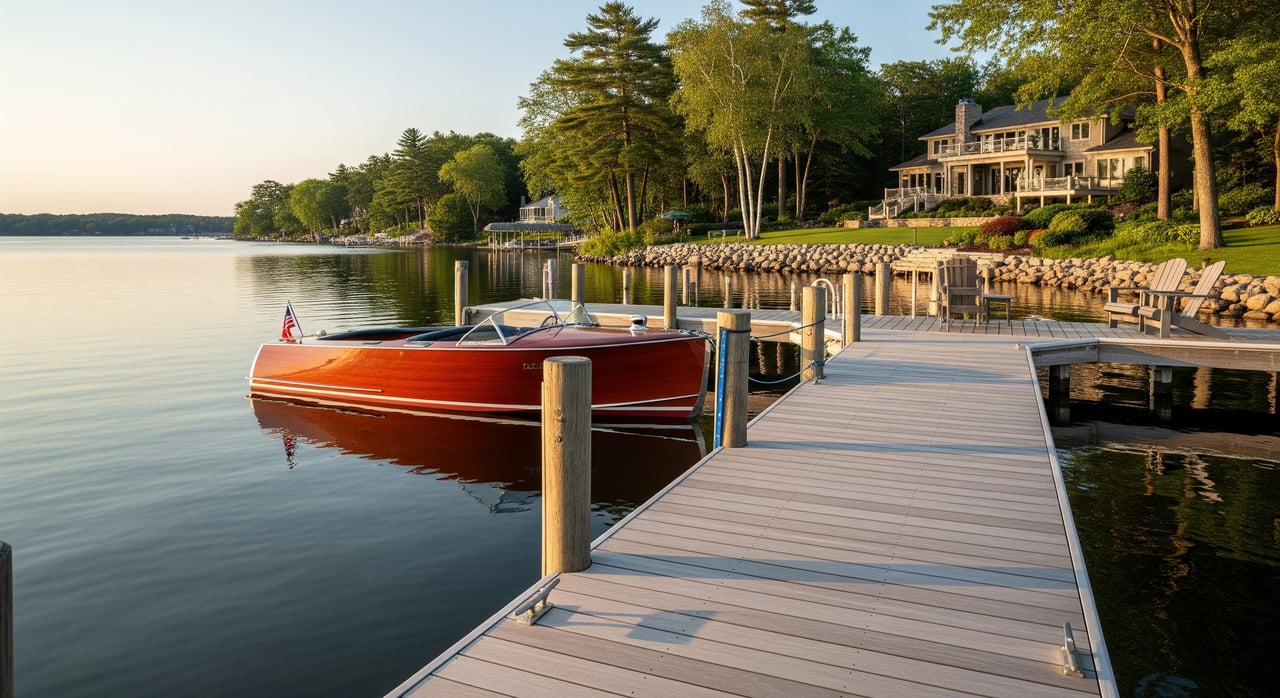
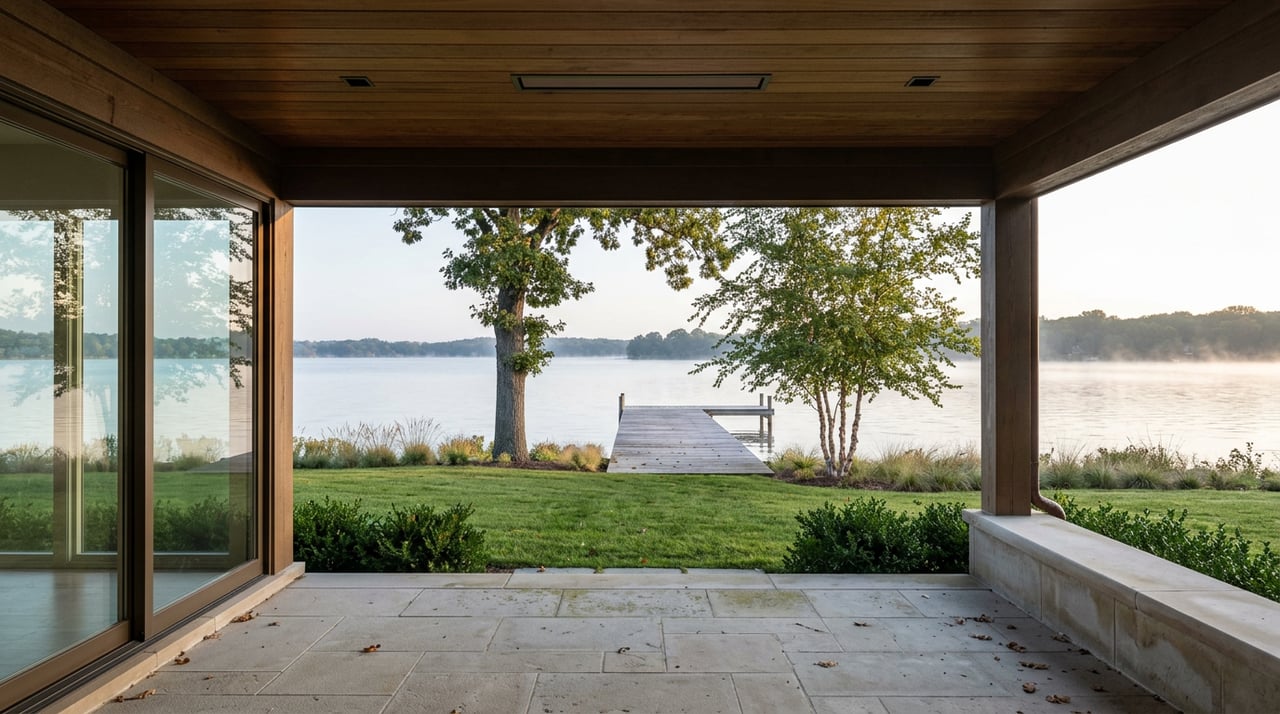
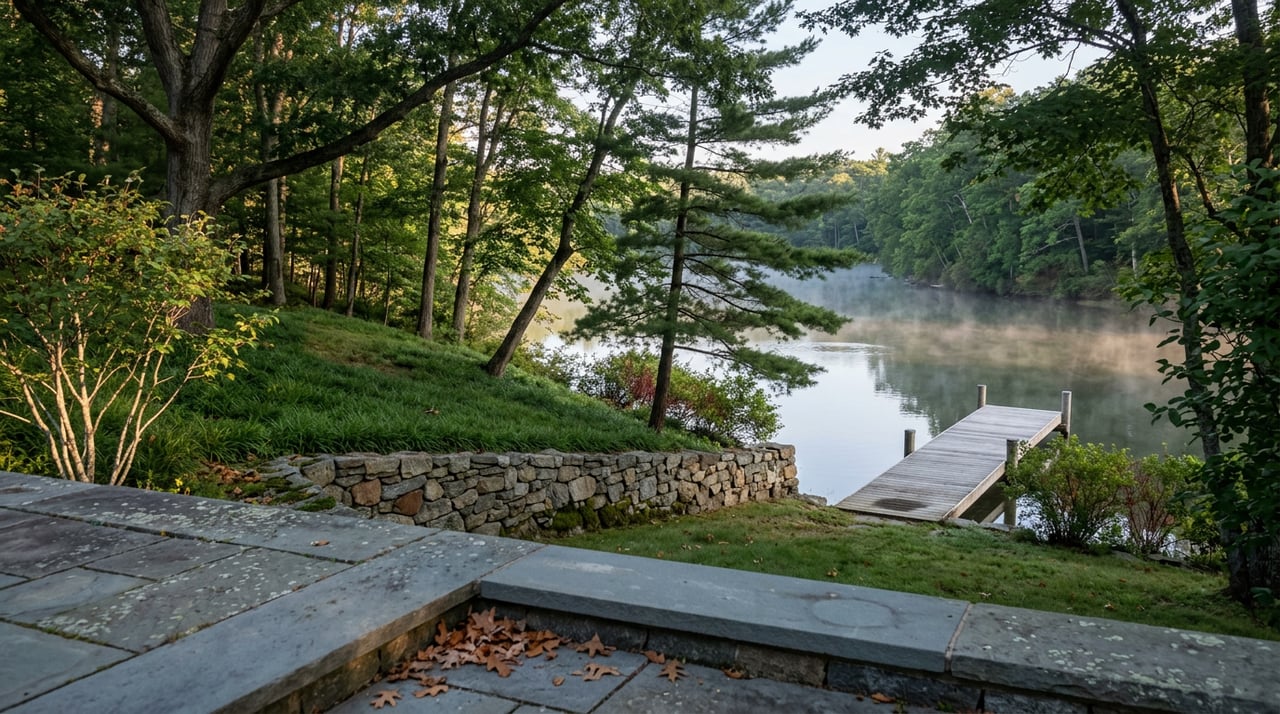
If you buy a riparian parcel with shoreline, a private dock may be possible. Docks on Lake Minnetonka are regulated by the Lake Minnetonka Conservation District, the City of Deephaven and the Minnesota DNR. Capacity depends on frontage, water depth, setbacks and protected vegetation. Not every shoreline lot can add or expand a dock.
Mooring buoys
A mooring buoy lets you keep a boat offshore and reach it by tender. Moorings are also regulated by the LMCD. Some parcels qualify, others do not, based on spacing, navigation and environmental rules.
Municipal marinas and programs
Cities around Lake Minnetonka operate limited slips or moorings with resident priority. Supply is tight and policies vary. Check current rules and shoreland overlays with the City of Deephaven and monitor nearby public options across the lake as part of your plan.
Private marinas and boat clubs
Commercial marinas offer seasonal and annual slips, storage and services. Many have waitlists, but you can sometimes secure space right away at a premium or for smaller boats. This can be a strong bridge while you wait on an association or municipal spot.
Short-term solutions
While you wait, consider trailering and off-site storage, renting a transient slip for busy weekends, or a shared private arrangement with a neighbor. Public launches managed by Hennepin County and park districts help fill gaps. Explore county and park resources through Hennepin County and the Three Rivers Park District.
Who regulates docks and moorings
Lake Minnetonka has layered oversight. Knowing each role saves time and headaches.
- Lake Minnetonka Conservation District. The LMCD is the primary local regulator for dock length and layout, moorings, spacing and special permits. They also maintain records of permitted structures and violations.
- City of Deephaven. Local ordinances add zoning, shoreline overlays and tree or vegetation rules. Start with the planning department for Deephaven zoning and shoreland rules.
- Minnesota DNR. The DNR sets state guidance on riparian rights, docks and lifts, and environmental protections. Review the DNR’s overview of riparian rights and dock guidance.
- County and parks. Hennepin County and park districts manage public launches and certain facilities. Check Hennepin County and Three Rivers Park District for access updates.
Key takeaway: many projects require LMCD plus city approvals. Plan for weeks to months for permits, and verify existing permits during your purchase.
What to expect by option
Association slips
- Availability: Very limited, often with a waitlist.
- Timing: A few months to several years depending on turnover and policies.
- Costs: Annual fees, possible transfer or assessment fees, and insurance requirements.
- Tip: Ask if slip rights run with the land or if they reset annually.
Municipal programs
- Availability: High demand, resident priority in some cities.
- Timing: Often multiple seasons on waitlists.
- Costs: Seasonal slip fees and possible deposits.
- Tip: Join waitlists early and learn the assignment calendar.
Mooring buoys
- Availability: Depends on parcel eligibility and lake capacity.
- Timing: Permit timing varies with application completeness and site conditions.
- Costs: Permit fees and seasonal renewal.
- Tip: Confirm eligibility and spacing with the LMCD before you plan around a mooring.
Private marinas
- Availability: Ranges from immediate openings to multiyear waits.
- Timing: Sometimes same-season if you are flexible on boat size or location.
- Costs: Varies widely based on services, slip size and amenities.
- Tip: Secure an interim slip as a buffer while your long-term plan unfolds.
Private dock projects
- Availability: Feasibility depends on frontage, depth and environmental rules.
- Timing: Expect several months from application to installation, longer with studies or mitigation.
- Costs: Permit fees, design and construction.
- Tip: Start feasibility and permitting as soon as you go under contract.
Step-by-step plan to secure access
Follow this simple checklist to protect your timeline and options.
- Clarify your lifestyle needs
- Boat size, lift needs, parking or trailer storage, and preferred bay or marina services.
- Decide if a mooring works for your routine.
- Verify access before you offer
- Request CC&Rs, association dock policies, current slip assignment and waitlist position.
- Ask for any marina leases and transfer terms in writing.
- Pull permit records with the LMCD and review Deephaven shoreland rules for the parcel.
- Write the right contingencies
- Include a boat slip or mooring verification contingency when access is material to your decision.
- Build in time for association approvals and permit confirmation.
- Line up interim options
- Apply to nearby marinas early in the season.
- Get on relevant city or park waitlists.
- Plan storage and trailering as a fallback for your first season.
- Start permits early
- For new or modified docks and moorings, prepare site plans, surveys and depth details.
- Submit applications to the LMCD and city in time for seasonal review cycles.
- Track documents and deadlines
- Keep insurance certificates, registrations and transfer forms current.
- Note annual assignment dates for associations and marinas to avoid losing a season.
Budget planning you should expect
- Recurring costs. Annual slip or mooring fees, association assessments, insurance and routine maintenance.
- One-time costs. Transfer fees, permit fees, and any construction or improvement expenses.
- Interim premiums. Private marina rates can be higher for immediate access or larger slips.
A clear budget helps you compare the true cost of an association slip versus a private marina while you wait.
Strategies to shorten the wait
- Apply everywhere that fits. Associations, municipal programs and marinas often assign once per year.
- Be flexible on boat length. Smaller slips open more often than larger ones.
- Consider mooring as a bridge. Moorings can be feasible where docks are constrained.
- Negotiate at purchase. Ask for seller credits toward a temporary slip or for transfer of any current marina assignment.
- Monitor turnover. Talk with marina managers and review community resources through the Lake Minnetonka Association to stay current on availability.
How a local expert helps
Lake access in Deephaven is a puzzle of rules, timing and relationships. A hyperlocal advisor coordinates with association managers, marina staff and the LMCD, secures documents before you commit, and structures contingencies that protect your plan. You get a realistic timeline, a backup path if Plan A slips, and a smoother first season on the water.
Ready to plan your lake access?
If boating is central to your Deephaven move, line up slip options and permits before summer hits. For a tailored plan and introductions to the right marina and association contacts, reach out to Molly Cardinal.
FAQs
In Deephaven, do dock or mooring rights transfer with a home?
- Not always; rights can be tied to the parcel, an association assignment or a personal marina lease, so verify CC&Rs, leases and LMCD records during due diligence.
How long are Deephaven or Lake Minnetonka slip waitlists?
- It varies widely, from months to multiple seasons, depending on association size, marina capacity, boat size and turnover; confirm current status with the specific provider.
Can you build a new dock on Lake Minnetonka if a lot lacks one?
- Possibly, but you will need LMCD and city approvals and must meet spacing, depth and environmental rules, which can make some parcels infeasible.
Which permits are commonly required for docks or moorings?
- Expect LMCD permits plus city shoreline or building approvals, and in some cases DNR involvement; plan for weeks to months for processing.
What short-term options work while you wait for a permanent slip?
- Rent a private marina slip, use a mooring if eligible, trailer from public launches, or arrange transient docking during peak weekends as an interim plan.