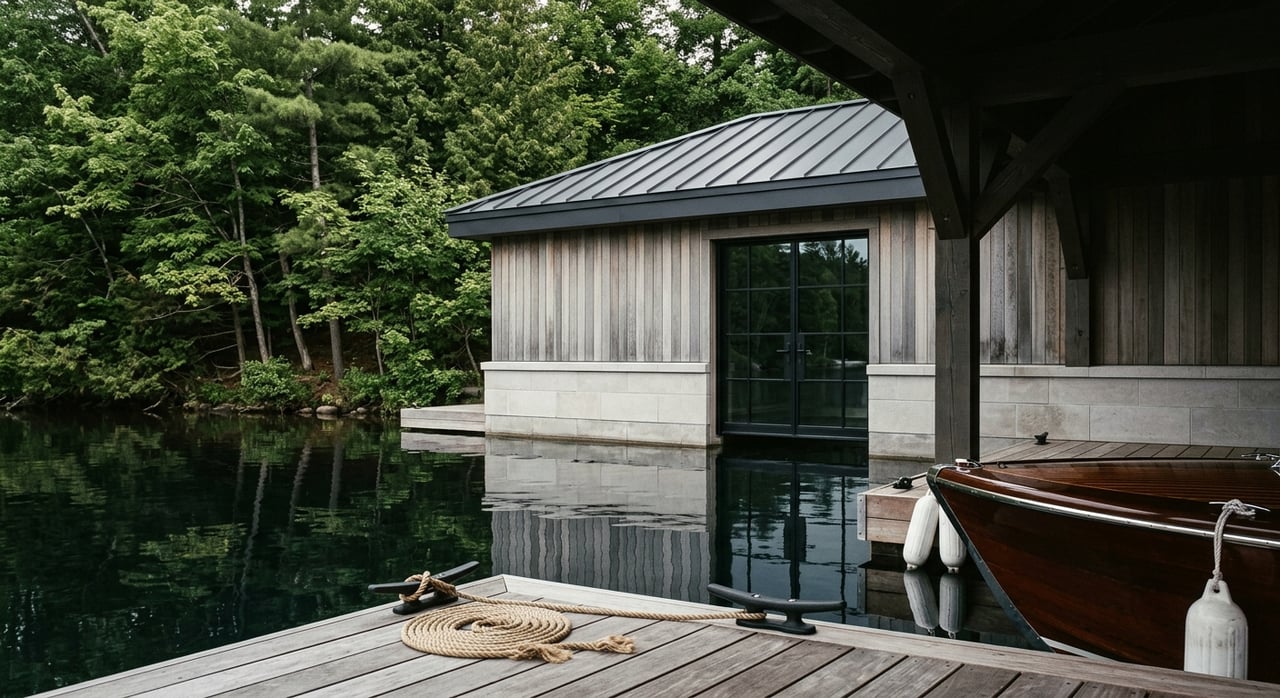
Inside Woodland’s Ultra-Private Lake Minnetonka Market
April 2, 2026
April 2, 2026
If you are looking for a Lake Minnetonka address that feels quietly removed from the usual luxury-home spotlight, Woodland stands out fast. This is not a market built on volume, easy comparisons, or endless online browsing. It is a small, highly private lakeshore community where land, shoreline position, and discretion often shape the conversation as much as the home itself. If you want to understand how Woodland really works, this guide will walk you through what makes the market unique, what buyers should expect, and how sellers can prepare strategically. Let’s dive in.
Woodland is one of the smallest suburbs in Hennepin County, and that scale is a big part of its appeal. According to the City of Woodland, the city has fewer than 500 residents, and a 2025 city council packet lists a 2024 population estimate of 394. That alone creates a very different feel from larger Lake Minnetonka communities.
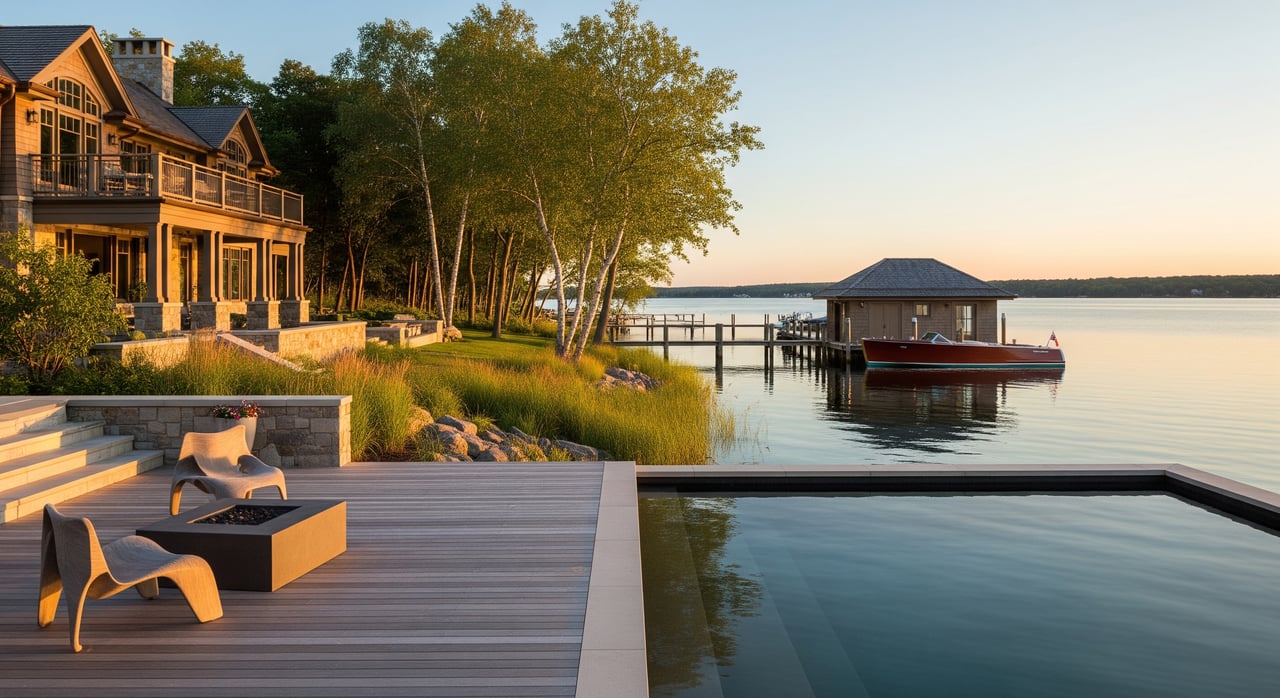
The physical layout adds another layer of exclusivity. The city notes that more than half of its homes have access to Lake Minnetonka, many residences sit on lots of two acres or more, and Woodland includes 5.9 miles of shoreline. In practical terms, that means you are often looking at bigger land holdings, more separation between homes, and a setting where privacy is part of the value.
Woodland also includes the Groveland Assembly Ground, a 41-home lakeside community with roots as an early 1900s Methodist retreat, according to the city’s historical information. That kind of legacy development pattern gives Woodland a tucked-away, established character that is hard to recreate.
It helps to remember that Woodland sits on Lake Minnetonka, not on a small inland lake. The Lake Minnetonka Conservation District says the lake spans 14,500 acres, includes 125 miles of shoreline, and has 20 bridges. For buyers and sellers alike, that scale matters.
On a lake this large, not all waterfront experience is the same. A property’s bay exposure, shoreline placement, privacy from boat traffic, and dock utility can shape value in a major way. That is why two homes with similar square footage may feel very different in Woodland if one has a calmer setting, more usable shoreline, or stronger separation from nearby lake activity.
Woodland does not behave like a typical suburban market where you can wait for the next wave of listings. As of March 29, 2026, Redfin showed 8 homes in Woodland. Even before you look closely, that is a very limited public inventory for a lakeshore market.
The mix of listings matters too. Public inventory has included multi-acre parcels, estate-style properties, and land-focused opportunities rather than a broad set of standard move-in-ready options. Some public listings have featured lots around 2.07 to 2.19 acres with 200 feet of shoreline, and at least one was described as shown by appointment only.
That pattern tells you something important about Woodland. This is a market where land, access, and privacy often lead the story. Finished space still matters, of course, but buyers are often evaluating the site itself first.
In a small market, headline price numbers can be useful, but they need context. Redfin’s Woodland housing market data reported a median sale price of $1.8 million in May 2025, up 53.5% year over year, with 28 days on market and homes selling for 0.7% over list in that monthly snapshot. That same snapshot reflected just 1 home sold.
Zillow’s current Woodland Home Value Index was reported in the research as $1,617,565 as of February 28, 2026, up 5.8% year over year. Since Redfin’s number reflects a recent median sale price and Zillow’s figure is a value index, they should be read directionally rather than as a direct comparison.
For you as a buyer or seller, the main takeaway is simple. Woodland pricing can move sharply because sales volume is low, inventory is limited, and each property’s land and shoreline profile can influence value more than standard comp grids suggest.
If you want to buy in Woodland, you should be prepared for a search that feels more relationship-driven than inventory-driven. With only a handful of visible homes and some appointment-only offerings, the process is often less about refreshing listing alerts and more about staying connected to local market activity.
The research report notes that off-market and pre-market conversations likely matter more here than in a larger suburban market, based on the public listing pattern. In other words, broad public inventory may not tell the full story at any given moment.
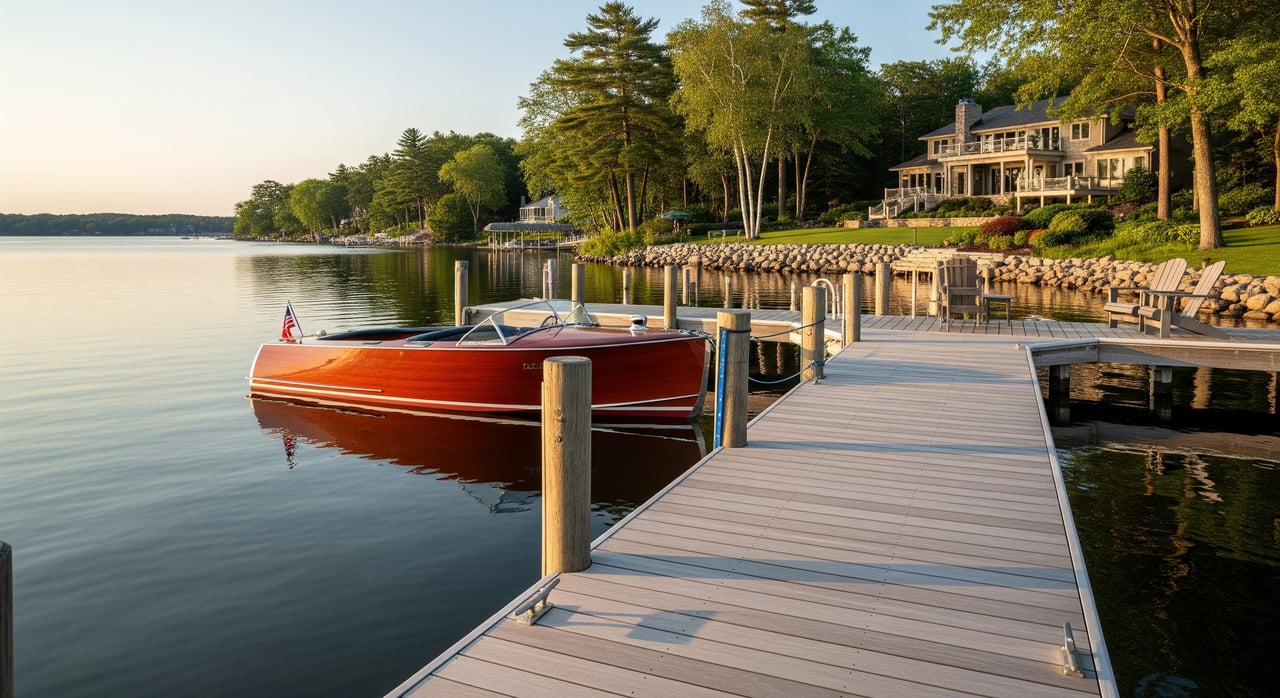
In Woodland, you do not want to assume that every waterfront lot offers the same experience. The LMCD’s lakeshore owner guidance notes that water depth can vary significantly by bay and even within the same bay. That can affect dock placement, water access, and how the shoreline functions day to day.
The same LMCD guidance also points out that shoreline buffers can help protect water quality and add privacy from lake users. For buyers, that means waterfront usability is not just about having shoreline footage on paper. It is also about how the shoreline feels, functions, and is maintained.
Waterfront purchases in Woodland often come with a more structured diligence process than buyers first expect. The city’s forms and permits page says to allow at least two weeks for building and septic permits to be processed. It also notes that zoning-related applications are due by the third Tuesday of the month for review at the next month’s council meeting.
The city’s ordinance index includes dedicated chapters for docks and access, building and SSTS regulations, zoning, and floodplain matters. That does not mean every purchase becomes complicated, but it does mean you should approach improvements, shoreline changes, and future plans with patience and clear documentation.
In Woodland, sellers often get the best response when the property is presented around the site first and the house second. That is because buyers are frequently underwriting shoreline footage, bay setting, tree canopy, privacy, and the overall usability of the lot. The home matters, but the setting often creates the initial demand.
This is especially true in a market where public inventory already leans toward estate sites and large parcels. If your property offers strong separation, mature landscaping, or especially usable waterfront, those features should be clearly documented and highlighted from the start.
Because turnover is low, pricing in Woodland is often more negotiated than formulaic. A standard comparable-sales approach may not fully capture the value of a specific shoreline position, lot depth, dock utility, or privacy profile. Sellers benefit from a strategy that combines available sales data with careful analysis of site-specific features.
That kind of pricing work matters even more when sales volume is limited. A small number of transactions can distort averages, so the strongest list-price strategy often comes from understanding what makes your property meaningfully different from the few available comparisons.
Presentation in Woodland is not just visual. It is also operational. The city’s Protecting Lakes & Trees information says that extensive clearing, removal of any tree larger than 6 inches in diameter, and vegetation removal related to construction can require a Vegetation Alteration Permit, and tree service contractors must be licensed with the city.
On the water side, LMCD’s current rule imposes a 5 mph wake limit within 300 feet of shoreline, as noted in the research. That reflects the broader emphasis on shoreline protection and calmer near-shore conditions.
For sellers, a well-prepared property file can make a real difference. Clear information about shoreline access, dock usability, water-depth considerations, permits, and site conditions can help buyers move through diligence with more confidence.
Woodland is small, but it is not simple. Its market is shaped by low inventory, highly individualized sites, and a waterfront environment where local process matters. If you are buying, that means you need guidance that goes beyond the public search portals. If you are selling, it means your pricing, presentation, and preparation need to reflect how sophisticated buyers actually evaluate lakeshore property.
That is where local, concierge-level representation can be especially valuable. In a market this private, details matter, timing matters, and relationships matter.
If you are thinking about buying or selling in Woodland, Molly Cardinal offers the kind of polished, hyperlocal guidance that helps you move with confidence in Lake Minnetonka’s most discreet corners.
Stay up to date on the latest real estate trends.

Molly is passionate about helping her clients find their perfect home and bringing clarity to real estate transactions. She drives the home search through education, communication, and honesty, creating an environment where clients feel comfortable asking questions and expressing their goals they are able to reach together.