
What to Expect When Moving From Minneapolis to Lake Minnetonka
March 24, 2026
March 24, 2026
Thinking about trading your Minneapolis city vibe for lake life without giving up your routine? If Lake Minnetonka has been on your mind, you are not alone. Many Minneapolis professionals and families make the move for the water, trails, and small-town centers, then wonder how prices, commutes, schools, and lake rules will change day to day. This guide breaks it all down so you can plan confidently and avoid surprises. Let’s dive in.
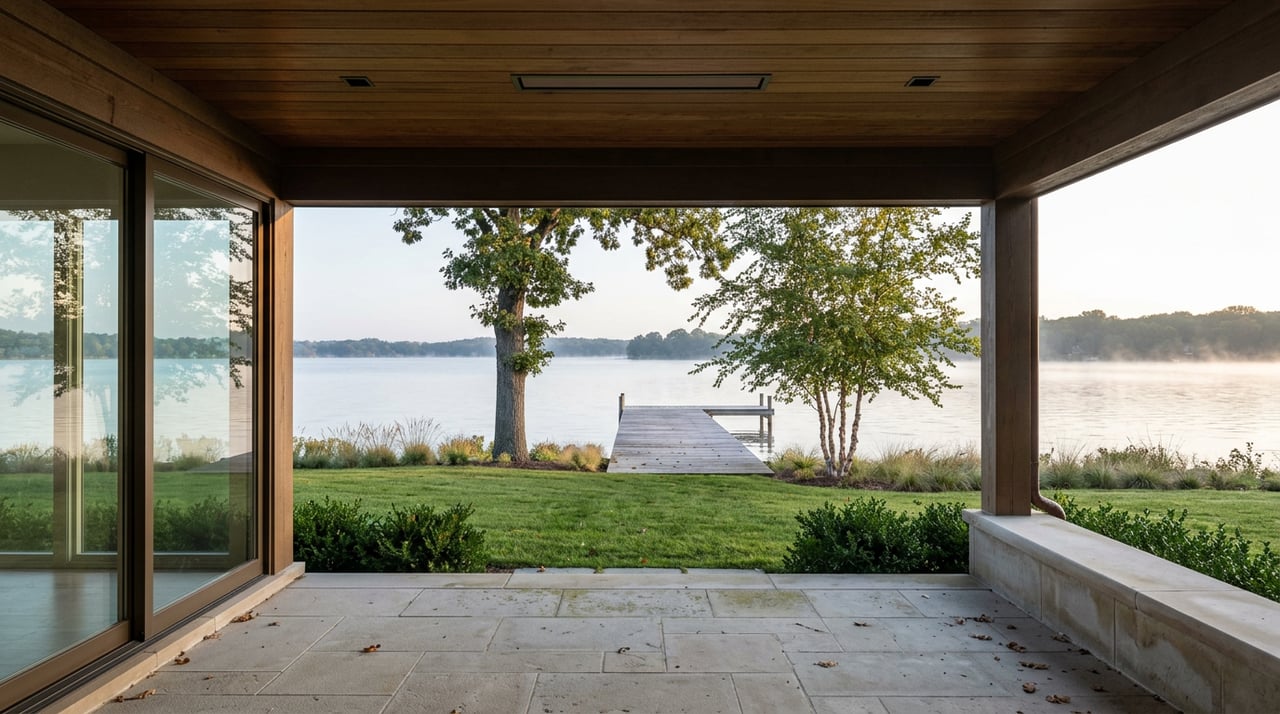
Lake Minnetonka sits just west of Minneapolis and touches a mix of distinct communities, from walkable downtowns like Wayzata and Excelsior to quiet estate areas such as Orono and Minnetonka Beach. You will also find more traditional inland suburbs in parts of Minnetonka and Mound. The result is a wide range of neighborhoods and housing styles within a short drive of the city.
Most daily errands are still convenient, and you can choose a setting that fits your lifestyle. If you want coffee shops and restaurants within a short stroll, focus on towns with compact main streets. If privacy, larger lots, and a quiet shoreline are your priorities, look to estate neighborhoods on the lake’s peninsulas and bays.
You will see four common home patterns around the lake:
Price expectations, based on early 2026 portal snapshots and local trends:
Medians can swing month to month because lakefront sales are small in number and high in price. Treat these as directional signals. Ask for current MLS comps and on‑market context when you are ready to make a move, and note the strong premium for direct water access, deep water, and dock rights.
Many lake communities are a reasonable commute to downtown Minneapolis, but actual times vary by town and by your specific route. Community averages help set expectations:
Most commuters use I‑394 and US‑12. Peak-hour reliability improves when you use the I‑394 E-ZPass express lanes where eligible, which you can learn about on MnDOT’s E-ZPass page. Limited-stop and express bus options exist from the west metro. For example, look at current schedules for Route 645 from Wayzata at Metro Transit’s schedule PDF. Because routes and timetables change, test your exact commute by car and by bus during rush hour before you buy.
Several well-regarded public school districts serve the lake area, including Wayzata Public Schools (District 284), Minnetonka Public Schools (District 276), and Westonka Public Schools (ISD 277). Rankings and awards often draw families west, but boundaries vary street by street, so verify your address with the district.
Minnesota also offers statewide open enrollment. Families can apply to attend a nonresident district, subject to deadlines, transportation rules, and available space. Most applications are due in mid‑January for the following fall. Review instructions on the Minnesota Department of Education’s open enrollment page, and confirm policies and timelines directly with the district you are considering.
Lake Minnetonka life centers on boating, beaches, marinas, trails, and a strong seasonal rhythm. With that lifestyle comes a few extra responsibilities. The Lake Minnetonka Conservation District (LMCD) is the local authority for many lake operations, including dock permitting, seasonal structures, and boating rules. Before you buy or modify anything on the shoreline, review current guidance on the LMCD website, then check your city’s permitting requirements.
Aquatic invasive species are part of lake stewardship. Expect inspection, cleaning, and safe transport practices for watercraft and gear. These programs are in place to protect the lake’s health and your long‑term enjoyment.
Property taxes depend on assessed value and local levies for the city, county, and school district. Because lake properties often carry higher assessed values, the total tax bill in dollars may be higher even if tax rates are similar to inland neighborhoods. For payment logistics and resources, visit Hennepin County’s property tax page and confirm your parcel’s details during due diligence.
Shoreland work is regulated at the state and local levels. If you plan to add or alter a dock, shoreline, or structures near the water, review Minnesota’s shoreland management rules and coordinate early with your city and LMCD. Start with the Minnesota DNR shoreland regulations.
Insurance and maintenance can also differ near the water. Items like seawalls, docks, and lifts need periodic care. Get quotes for homeowners insurance and any specialized coverages before you finalize a purchase.
Use this quick list as you compare properties around the lake:
If you want more time outdoors, small-town conveniences, and a strong sense of place, the lake can be a great match. You will likely pay more for housing, and you may trade frequent city transit for a drive or an express bus. In return, you gain ready access to water, trails, and community events that define the west‑metro lifestyle. The key is picking the right town and shoreline context for how you want to live day to day.
When you are ready to refine your search, work with a local guide who can compare micro‑markets, vet dock and shoreline details, and position you for pre‑market opportunities. For curated listings, data‑driven pricing insights, and white‑glove support that aligns with your lifestyle goals, connect with Molly Cardinal. Molly pairs deep Lake Minnetonka expertise with Compass programs like Concierge and VAS to streamline improvements, elevate presentation, and help you move with confidence.
Stay up to date on the latest real estate trends.




Molly is passionate about helping her clients find their perfect home and bringing clarity to real estate transactions. She drives the home search through education, communication, and honesty, creating an environment where clients feel comfortable asking questions and expressing their goals they are able to reach together.