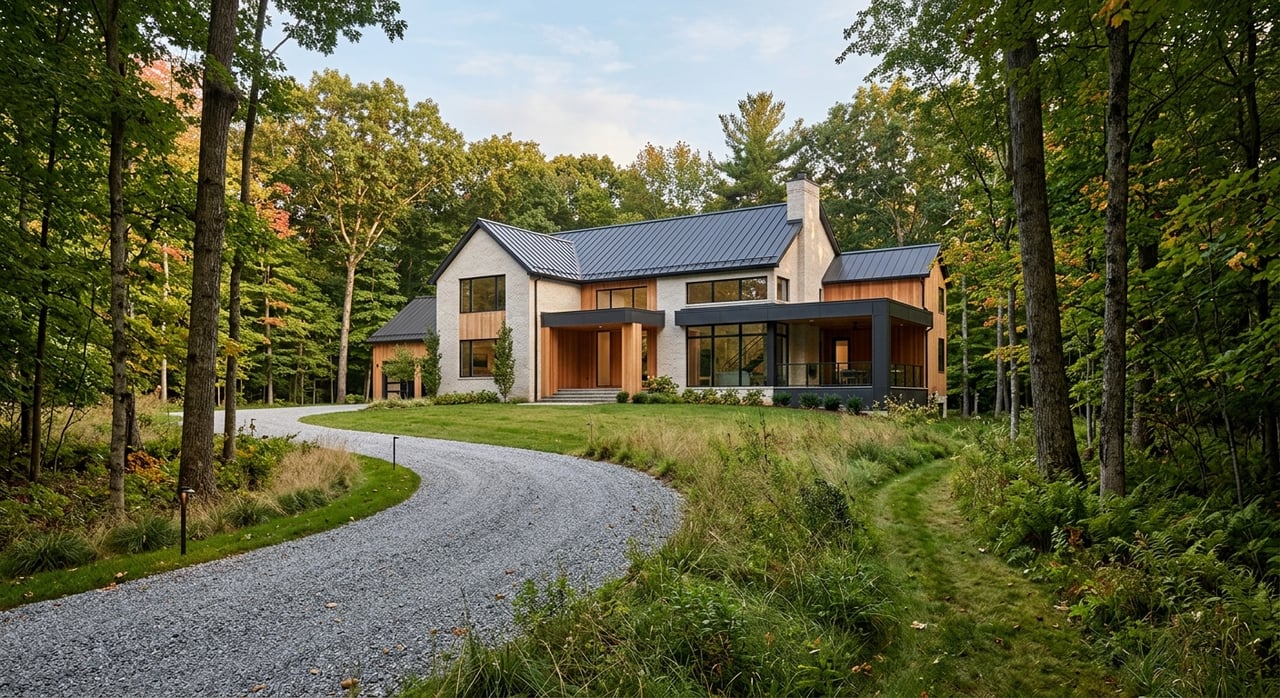
Orono Lifestyle: Lakefront Living, Acreage, and Trails
July 9, 2026
July 9, 2026
If you want more space, easier access to the water, and everyday outdoor recreation without feeling far from the Twin Cities, Orono tends to stand out quickly. This is a community where lakefront living, larger residential lots, and regional trails all shape the day-to-day experience. If you are trying to decide whether Orono fits your lifestyle, this guide will help you understand what living here can actually look like. Let’s dive in.
Orono sits on the north shore of Lake Minnetonka and is known for a small-town feel with close access to downtown Minneapolis. According to the city, Orono covers 28 square miles, including 8 square miles of water, which helps explain why the area often feels open and less densely built.
Current Census Bureau data report 8,301 residents in 2025 across 15.92 square miles of land, with a population density of 522.4 people per square mile. The same data show a 90.9% owner-occupied housing rate, a median owner-occupied home value of $1,004,500, a median household income of $173,527, and a median commute time of 24.9 minutes.
For you as a buyer, those numbers suggest a primarily residential community with strong ownership patterns and a lifestyle tied both to home and to the broader Twin Cities market. In other words, Orono can feel private and spacious without feeling cut off.
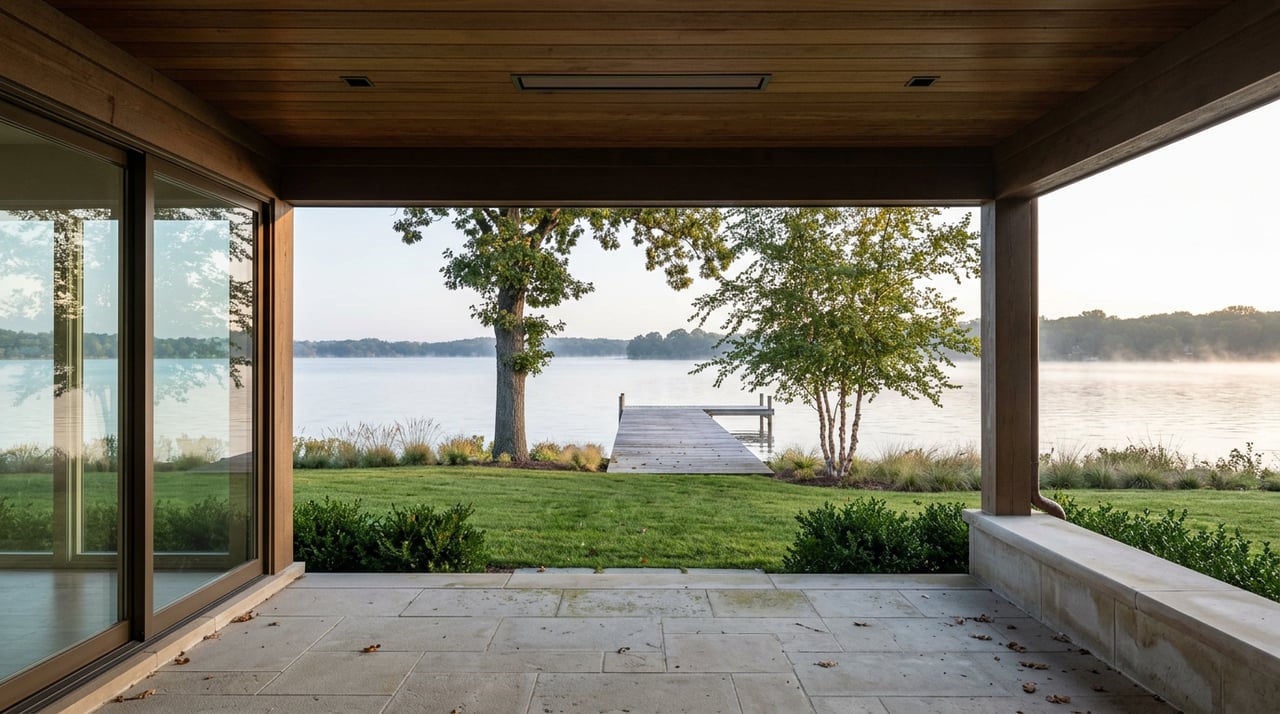
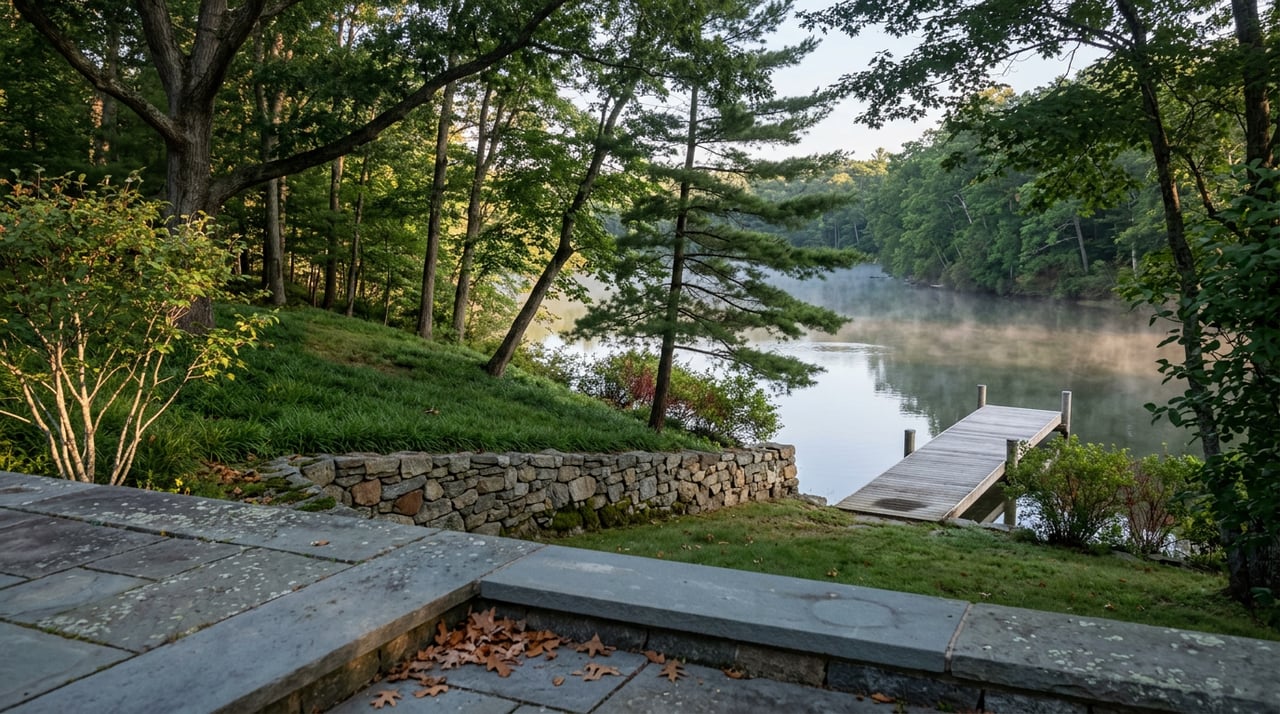
Lake Minnetonka is central to Orono’s identity. The lake has more than 14,000 acres of water, 22 square miles of surface area, and more than 100 miles of shoreline, and the city’s surface-water planning notes that Orono’s character is strongly influenced by its lakeside location and wetlands.
That matters because “lake lifestyle” in Orono is not one-size-fits-all. You may be looking at private lakefront ownership, a home near neighborhood beach access, or a property that puts you a short drive from a public boat launch.
Orono maintains four swimming beaches:
The city also lists fishing piers or platforms and public boat access at:
At the same time, the city’s park plan notes that many access points are neighborhood-serving and may have limited or no parking. So if access to boating or swimming is high on your list, it helps to look beyond the phrase “near the lake” and understand how each property connects to the water.
One unusual amenity in Orono is Big Island Nature Park, a 56-acre site at the east end of Big Island on Lake Minnetonka. The city describes it as a place for passive recreation and ecological preservation, and access is by boat only.
That kind of feature says a lot about Orono’s identity. The water here is not just scenery. It is part of how people spend time, move through the area, and enjoy the landscape.
A common question from buyers is whether Orono is mostly made up of lake homes. The short answer is no.
Orono’s 2020 to 2040 land-use policy reserves its rural area for permanent low-density residential use. The city also says compatible rural uses include orchards, small hobby farms, riding stables, and recreation areas such as large golf courses and park reserves, while wetlands, steep slopes, and high water tables help limit density.
The zoning map shows just how broad Orono’s housing pattern can be. Rural residential zoning includes:
The map also shows lakeshore residential districts ranging from 2-acre lots down to 1/2-acre lots. That means your home search in Orono may include everything from true acreage parcels to smaller lots oriented around lake access and shoreline living.
Part of Orono’s character comes from planning, not just appearance. The city lies entirely within the Minnehaha Creek Watershed District, and its stormwater and surface-water work focuses on water quantity and quality, wetlands, erosion, and community education.
For you, the practical result is a community where woods, wetlands, shoreline, and larger-lot development remain part of the overall experience. That planning framework helps preserve the spacious, natural setting many buyers are looking for when they start exploring Orono.
If your ideal lifestyle includes getting outside regularly, Orono offers more than nice views. The city maintains more than 260 acres of parks, trails, and open space, including trails, beaches, lake access points, athletic fields, playgrounds, a golf course, and open spaces.
That means outdoor recreation is not a side benefit here. It is built into the local infrastructure.
Hennepin County’s parks and trails information for Orono includes the Luce Line Trail, Lake Independence Regional Trail, Dakota Rail Regional Trail, and Noerenberg Gardens. It also notes that Baker Park Reserve and Lake Minnetonka Regional Park are partially in Orono, with Eagle Lake Regional Park, French Regional Park, and Gale Woods Farm nearby.
For residents, this creates a recreation network that reaches well beyond city limits. You are not limited to one trail loop or one shoreline stop. You have access to a wider system of destinations and activities.
The Lake Independence Regional Trail is a 15.9-mile paved trail connecting Crow-Hassan Park Reserve, Baker Park Reserve, and the Luce Line State Trail. According to Three Rivers Park District, it supports walking, jogging, hiking, dog-walking, inline skating, and bicycling.
The Luce Line State Trail adds even more range. The Minnesota DNR describes it as a 63-mile former railroad grade used for biking, hiking, horseback riding, mountain biking, and snowmobiling, and Three Rivers notes that the Luce Line Regional Trail connects to the Lake Independence Regional Trail.
If you want a home base that supports an active routine in multiple seasons, those connections are a meaningful part of Orono’s appeal.
Baker Park Reserve is another major draw for the area. The city describes it as a 2,700-acre natural landscape on Lake Independence that connects to the Lake Independence Regional Trail.
Three Rivers lists activities there including hiking, horseback riding, paddling, golf, camping, and winter multi-use trail access. For many buyers, that blend of natural setting and variety is a big reason Orono feels both relaxed and highly livable.
Orono often appeals to buyers who want privacy, nature, and room to spread out while staying connected to the western suburbs and Minneapolis. The median commute time of 24.9 minutes supports that balance between residential calm and regional convenience.
The city’s mix of water, wooded areas, wetlands, and lower-density housing can make everyday life feel quieter and less built up than in many suburban settings. That does not mean every property offers the same experience, though.
In practice, lifestyle can vary quite a bit depending on where you buy. One home may prioritize shoreline access, another may offer acreage and outbuilding potential within local rules, and another may put trail connectivity and park access first.
Because Orono includes lake-oriented neighborhoods, rural residential areas, and trail-connected settings, it helps to define your priorities early.
As you evaluate homes, consider:
These details can make two homes with a similar price point feel very different in day-to-day use. In Orono, lifestyle fit is often just as important as square footage.
Orono offers a combination that can be hard to find in one place: a Lake Minnetonka address, meaningful acreage options, and strong access to parks and trails. It is not defined by only one housing type or one kind of buyer.
Instead, the city gives you multiple ways to live close to nature, whether that means boating, larger-lot living, trail use, or a blend of all three. If you want help comparing those options at the property level, working with a local expert can make the search much more focused and much less overwhelming.
If you are considering a move to Orono or thinking about how to position your home in this market, Molly Cardinal offers concierge-level guidance rooted in Lake Minnetonka expertise, thoughtful strategy, and a clear understanding of what buyers value here.
Stay up to date on the latest real estate trends.
Molly is passionate about helping her clients find their perfect home and bringing clarity to real estate transactions. She drives the home search through education, communication, and honesty, creating an environment where clients feel comfortable asking questions and expressing their goals they are able to reach together.