Minnetonka New vs Older Homes: How to Choose
July 2, 2026
July 2, 2026
Wondering whether a newer build or a classic home makes more sense in Minnetonka? You are not alone. Many buyers here are choosing between the clean convenience of newer construction and the charm of established homes on mature lots. The good news is that Minnetonka offers both, and each can fit a different lifestyle, budget, and long-term plan. Let’s dive in.
Minnetonka is a city of about 53,781 residents with 24,760 housing units spread across 26.9 square miles. More than half of the city’s land area is low-density housing, and the housing stock includes 54% single-family detached homes, 35% multifamily, 10% townhomes, and 1% duplex, triplex, or quad homes.
That mix matters when you start comparing newer builds with classic homes. In Minnetonka, newer construction is often custom or infill development rather than a large new subdivision. Older homes are more commonly found in established neighborhoods with mature trees, varied lot sizes, and long-settled street patterns.
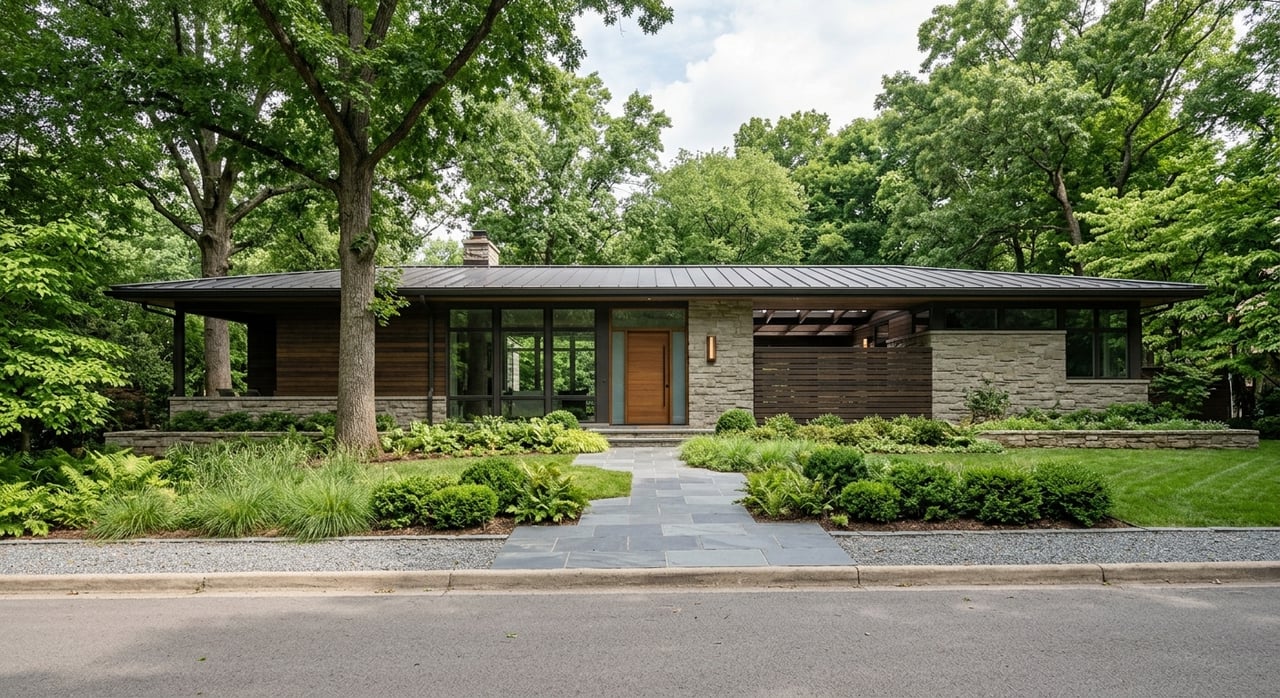
If you want a home that feels current from day one, newer construction can be very appealing. In Minnetonka, current examples tend to be larger, custom-oriented homes built for move-up or upper-end buyers rather than entry-level production homes.
Recent listing examples show that pattern clearly. One new home on Glendale Road is a 2026-built, 5-bedroom, 5-bath residence with 4,038 square feet on a 0.47-acre lot. Another on Conifer Trail offers 5 bedrooms, 6 bathrooms, 6,703 square feet, and features like two primary suites, an exercise room, and a wet bar.
A newer build may be a strong fit if you value:
Minnesota’s Department of Labor and Industry says the state building code regulates energy efficiency in new buildings and additions. That means newer homes begin with more current efficiency standards, even if a specific home is not certified through an energy program.
In a place like Minnetonka, that can matter more than you might think. The city’s climate plan notes that homes with better insulation and less air leakage are less vulnerable to extreme heat and extreme cold. In Minnesota, that can affect both comfort and operating costs over time.
Newer does not always mean simpler in every way. Because many Minnetonka new builds are custom or infill homes, the price point can be higher, and inventory may be limited compared with older homes.
You may also find that many newer homes are designed with a specific buyer in mind. Large square footage, luxury finishes, and specialized rooms can be great if they match your needs, but they are not always the most flexible option for every household.
Classic homes in Minnetonka often date to the 1950s or earlier decades and are usually found on established lots. These homes can offer a different kind of value, especially if you care about setting, lot character, and renovation potential.
For example, one classic Minnetonka listing on Dvorak Road is a 1955-built, 3-bedroom, 1.5-bath home with 1,809 square feet on 0.33 acres. Another on Cottage Lane is a 1950-built, 3-bedroom, 3-bath home with 2,708 square feet on a 0.98-acre lot.
Many older homes also highlight the features buyers often love in established areas. A Minnetonka home on Delton Avenue emphasized mature trees, a winding driveway, hardwood floors, a formal dining room, a sunroom, and a brick fireplace.
A classic home may be the better fit if you are drawn to:
In Minnetonka, that often translates to a lifestyle choice as much as a real estate one. You may prefer the feel of a settled area where the homes, yards, and street patterns have evolved over time.
Character usually comes with tradeoffs. Older homes may have less insulation, more air leakage, and older systems that need updates.
Minnetonka’s climate plan specifically notes that homes with minimal insulation and significant air leakage are more vulnerable to extreme heat and extreme cold. That does not make classic homes a poor choice, but it does mean you should look at maintenance and efficiency with open eyes.
The city also maintains a Home Enhancement program that offers up to $15,000 in low-interest loans for housing maintenance, repair, green investments, and some additions. For buyers considering an older home, that is a useful local detail to know as you plan future improvements.
The decision often comes down to what you want your daily living experience to feel like. In Minnetonka, this is usually less about new versus old in a broad sense and more about custom infill convenience versus established neighborhood character.
Here is a simple side-by-side view:
| Feature | Newer Builds | Classic Homes |
|---|---|---|
| Typical setting | Custom or infill locations | Established neighborhoods |
| Condition | Often move-in ready | May need updates over time |
| Layout | More current floor plans | Can be more segmented or traditional |
| Efficiency baseline | Built to current code | Varies widely by updates |
| Lot feel | Often well-planned but more specific in design | Often more varied, with mature trees |
| Buyer appeal | Buyers wanting convenience and newer systems | Buyers wanting charm and long-term potential |
A smart home search starts with your priorities, not just the photos. If you know what matters most to you, the newer-versus-classic question becomes much easier.
If your goal is to move in and focus on daily life rather than projects, a newer build may feel like the cleaner choice. You are more likely to get a current layout, updated materials, and systems that may feel more predictable in the near term.
This can be especially helpful if you are relocating, balancing a busy schedule, or simply want fewer unknowns after closing. In Minnetonka, newer homes can also offer a strong design baseline for buyers who prefer a polished, modern finish.
If you light up at the thought of mature trees, original details, and a home you can shape over time, a classic property may be the better match. Older homes often offer a stronger sense of place and a wider range of lot sizes.
That can be especially appealing if you want outdoor space, architectural personality, or room to make thoughtful improvements. In Minnetonka, many buyers find that established homes offer a kind of long-term flexibility that newer homes sometimes do not.
Minnetonka’s planning documents point to continued redevelopment and infill, especially in areas like Opus Park and along the Southwest LRT corridor. That means your choice may also be influenced by where newer opportunities are appearing and how they compare with nearby established homes.
It also helps to remember that energy use is a meaningful local issue here. The city’s climate plan says the average Minnetonka home used almost 20% more energy than the regional average in 2019. That makes insulation, air sealing, and overall efficiency worth considering whether you buy a new home or an older one.
Many buyers ask which option is easier to resell. In practice, resale often comes down to how well the home matches buyer demand in its price point, condition, and location.
A newer build may attract buyers who want convenience and fewer immediate projects. A classic home may appeal to buyers who are specifically seeking lot character, established surroundings, and the opportunity to personalize a home over time.
This is where local guidance matters. In Minnetonka, understanding whether a property’s value is tied more to its finishes, lot, layout, or setting can help you buy with a stronger exit strategy in mind.
If you are weighing newer construction against a classic Minnetonka home, the right answer is usually personal, not universal. The best choice is the one that fits how you want to live now, what level of upkeep you are comfortable with, and how long you plan to stay. For tailored guidance on Minnetonka homes, connect with Molly Cardinal.
Stay up to date on the latest real estate trends.
Molly is passionate about helping her clients find their perfect home and bringing clarity to real estate transactions. She drives the home search through education, communication, and honesty, creating an environment where clients feel comfortable asking questions and expressing their goals they are able to reach together.