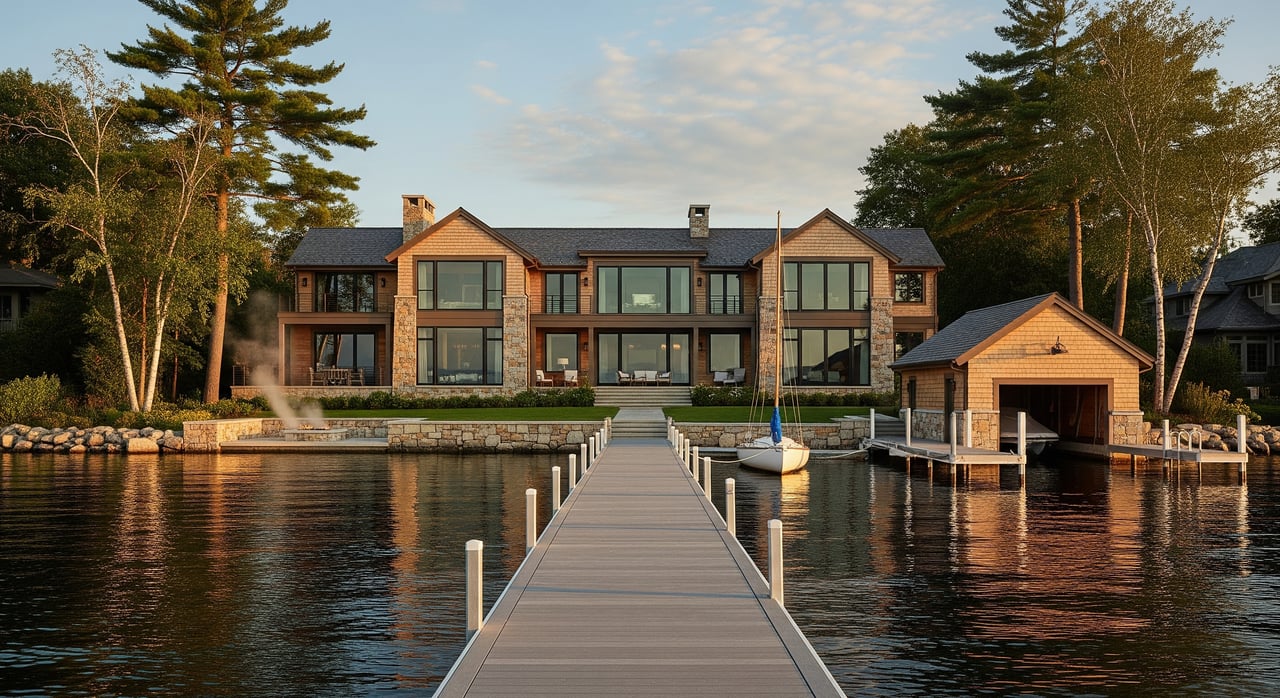
Lake Minnetonka Market Trends and What’s Driving Demand
November 21, 2025
November 21, 2025
Is it the water, the walkability, or the easy commute that keeps Lake Minnetonka homes in high demand? If you are considering buying or selling around Wayzata, you want clear answers about what truly moves this market. You also want practical steps to time your move and position your home or offer with confidence. In this guide, you will learn the main demand drivers, how waterfront compares to near-lake homes, when activity peaks, and the key metrics that signal where the market is heading. Let’s dive in.
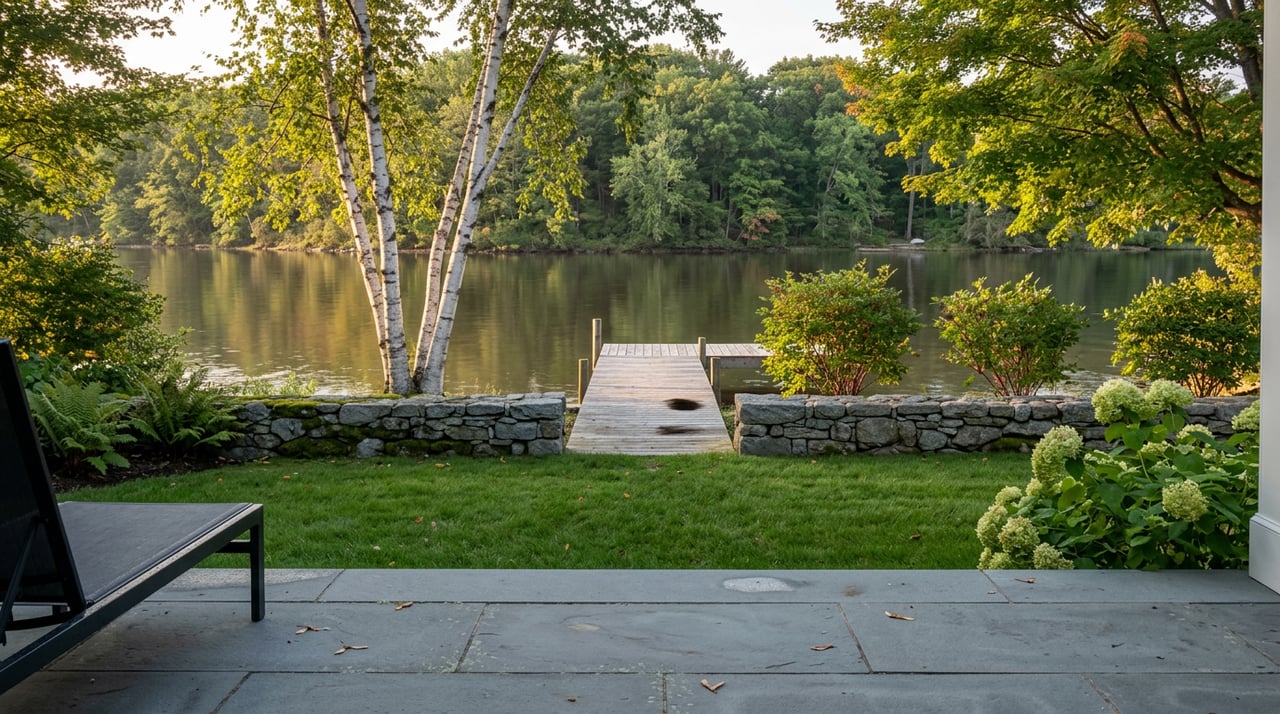
Wayzata’s draw starts with scarcity. True waterfront is limited and turns over slowly. Many properties are held for long periods, and zoning plus shoreline rules restrict new waterfront creation. Small shifts in buyer interest often have an outsized effect on price because supply is tight.
Location matters. Wayzata offers a 15 to 25 minute commute to Minneapolis in typical conditions, which appeals to buyers who want a lakeside lifestyle with city access. Hybrid and remote work trends have also made lifestyle-focused moves more attractive.
Local amenities strengthen demand. You find marinas, lakeside restaurants, parks, and trail networks that support a year-round outdoor lifestyle. Wayzata Public Schools are often cited by buyers as a factor when choosing the area. Keep in mind that preferences vary by household and buyers should evaluate school information directly from official sources.
Regulatory and environmental protections also support long-term value. Agencies such as the Lake Minnetonka Conservation District, the Minnehaha Creek Watershed District, the Minnesota DNR, and city planning departments oversee docks, boathouses, setbacks, and shoreline work. These rules preserve the character of the lake and limit redevelopment density, which helps keep inventory constrained.
Mortgage rates are a near-term lever. When rates fall, buyer activity often increases; when rates rise, budgets tighten and some buyers pause. Check current numbers from trusted sources so you understand your purchasing power before you search or list.
Waterfront properties typically command a significant premium over near-lake homes in the same micro-market. The premium varies by bay, view, dock capacity, shoreline condition, lot size, and the quality of improvements. Near-lake homes can offer views, walkability to the water, and lower maintenance costs at a lower price point.
Liquidity differs. Waterfront inventory is smaller, and ownership tenures are longer. That can mean longer marketing times for some listings. Well-presented and well-priced waterfront homes can still move quickly in peak season.
Buyer priorities are not the same. Waterfront buyers often focus on frontage, water depth, privacy, dock size and lift capacity, and water quality. Near-lake buyers may emphasize scenic views, short walks to the lake, and lower carrying costs.
Renovation planning matters. On prime shoreline, many buyers weigh remodels versus full replacements. Permitting can shape what is possible and the timeline. Near-lake remodels are often more straightforward since they typically avoid shoreline permitting complexity.
Marketing and presentation should fit the asset. Expect lake-specific marketing touches like twilight photography, drone footage that shows the shoreline, accurate measurements of frontage, and detailed documentation of permitted shoreline work and dock features. These details help buyers value the property correctly.
Several features have an outsized effect on value around Lake Minnetonka:
The market follows a reliable seasonal rhythm. New listings and showings surge from March through July, when lifestyle buyers are most active. Many sellers target spring for launch to capture early attention. Fall typically tapers, and winter is quieter, though serious buyers still transact and can face less competition.
Days on market tend to be shorter in spring and early summer when demand peaks. Pricing decisions in spring set the tone for the year, and sellers who are ready just before the peak often benefit from pent-up demand. Winter listings may trade with fewer showings but can attract decisive buyers.
A few simple indicators tell you a lot about conditions:
For the clearest picture, separate waterfront vs near-lake and compare within the same neighborhood, lot size range, and age profile. This helps you avoid misleading averages and outliers.
Lake Minnetonka is not one market. Each shoreline has its own profile and pricing logic. Here is a quick orientation:
When you compare values between areas, control for frontage, lot size, age, and recent improvements. This gives you a fair view of true differences.
If you plan to buy in Wayzata or nearby shores, set a clear strategy:
A local search plan that balances data with on-the-ground tours will help you recognize value when the right property appears.
Strong outcomes come from disciplined preparation and lake-specific marketing:
If you want guided improvements and premium presentation, ask about programs that can help fund and manage pre-market work so you go live polished and on schedule.
Staying close to these signals helps you decide whether to act now or wait for better conditions.
You do not need a spreadsheet to make a smart decision. Focus on these three checks:
Bring these questions to your next showing or pricing discussion to align strategy with what the market is actually doing.
Buying or selling around Lake Minnetonka is a lifestyle and financial decision. When you combine real-time rates, seasonally smart timing, and micro-market expertise, you make clearer choices and avoid costly second guesses. If you want a data-informed plan, polished preparation, and lake-specific marketing that meets the moment, connect with a local advisor who lives and works these shores every day.
For a private consultation and a tailored plan for your address or search, reach out to Molly Cardinal.
Stay up to date on the latest real estate trends.

Molly is passionate about helping her clients find their perfect home and bringing clarity to real estate transactions. She drives the home search through education, communication, and honesty, creating an environment where clients feel comfortable asking questions and expressing their goals they are able to reach together.